
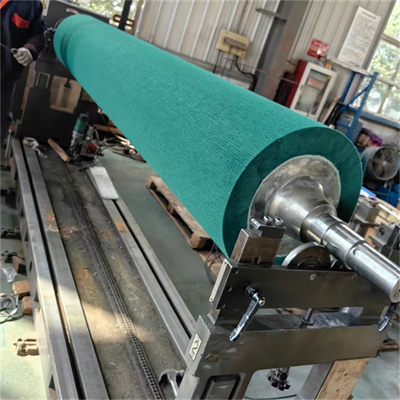
The sanding section is the final machining stage in a wood-based panel production line. At this stage, panels are calibrated and surface-finished before moving on to downstream processes such as lamination, coating, painting, or packaging.
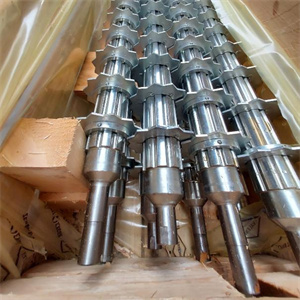
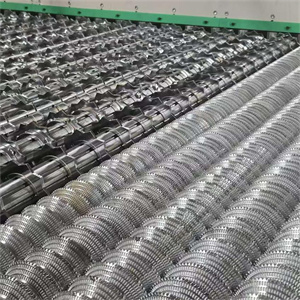
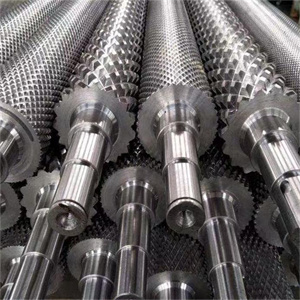
A typical sanding process involves several stages, including thickness calibration, intermediate sanding, and fine sanding. The Polishing Roller is generally installed in the final finishing section of a sanding machine, working alongside fine abrasive belts or specialized non-woven abrasive materials to improve the surface texture and overall appearance of the panels.
Unlike calibration rollers, which are primarily responsible for removing excess material and achieving the required panel thickness, polishing rollers focus on refining the surface. They help reduce fine sanding marks, smooth minor surface irregularities, and achieve a more consistent finish.
For manufacturers of MDF, HDF, Particle Board (PB), OSB, plywood, and decorative panels, a properly designed polishing roller plays an important role in maintaining stable surface quality and consistent production performance.
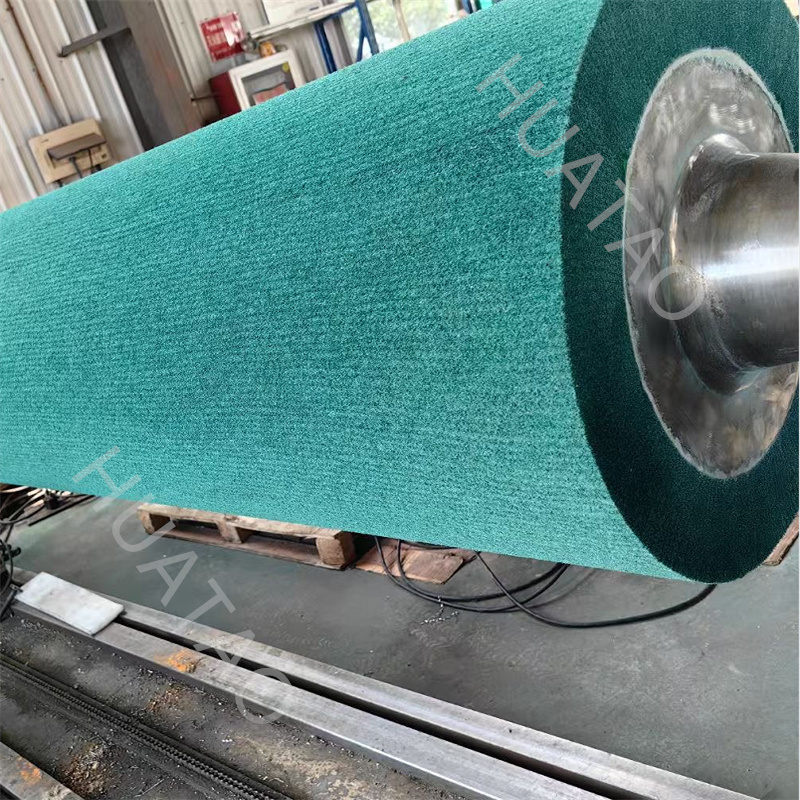
Premature polishing roller wear is a common concern in industrial sanding operations. Replacing rollers too frequently not only increases spare parts costs but can also lead to production interruptions and inconsistent panel surface quality.
However, roller wear is not always caused by the roller material itself. Several operating and mechanical factors can influence its service life.
1. Incorrect Contact Pressure
Excessive pressure between the roller and the panel increases friction and heat generation, accelerating surface wear. It can also lead to uneven contact and inconsistent finishing results.
2. Improper Operating Speed
Roller rotational speed and panel feed speed must be properly matched to the sanding process. Unsuitable operating parameters can cause excessive friction, heat buildup, and uneven wear across the roller surface.
3. Uneven Roller Surface and Poor Dynamic Balance
Insufficient concentricity or mass imbalance can cause vibration during high-speed operation. This may result in uneven contact, localized wear, periodic surface marks, and additional loads on bearings and other machine components.
4. Inadequate Abrasive or Surface Material Selection
Different panel materials and finishing requirements place different demands on the roller surface. An unsuitable abrasive structure or surface material may wear too quickly or fail to deliver the required finishing effect.
5. Excessive Sanding Load and Poor Upstream Surface Preparation
If deep sanding marks or excessive surface irregularities remain after the preceding sanding stages, the polishing unit may be subjected to more work than intended. This can increase roller wear and reduce finishing consistency.
6. Dust Accumulation and Inadequate Cleaning
Fine wood dust and sanding residues can accumulate on the roller surface, affecting its contact condition and finishing performance. Effective dust extraction and regular inspection help maintain stable operation.
Understanding these factors is essential when selecting a replacement roller. A suitable solution should consider not only the roller dimensions but also its working speed, contact pressure, abrasive structure, and actual production conditions.
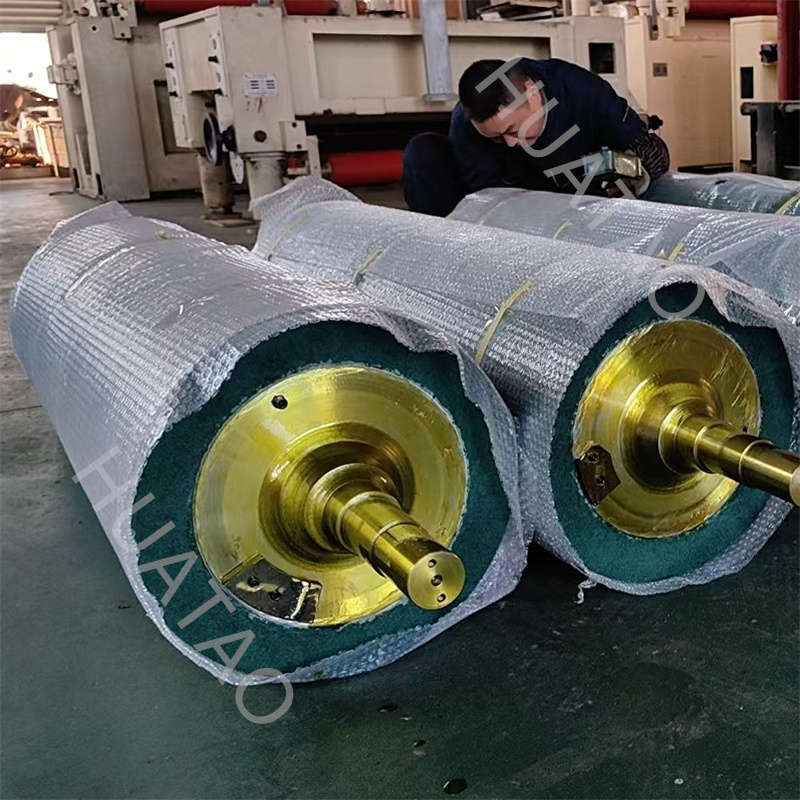
HUATAO focuses on the mechanical precision and working performance of polishing rollers for industrial wide belt sanding machines.
1. Wear-Resistant Surface Materials
The roller surface can be selected according to the required finishing process and operating conditions. Suitable surface materials help maintain consistent contact performance and resist premature wear under continuous production conditions.
2. Precision Machining and Concentricity Control
Accurate machining of the roller body and shaft ensures dimensional consistency and reliable installation. Good concentricity helps maintain stable rotation and uniform contact across the working width.
3. Dynamic Balancing for High-Speed Operation
Dynamic balancing is an important part of polishing roller manufacturing. HUATAO pays attention to mass distribution and rotational stability to help reduce vibration, minimize uneven wear, and protect associated machine components.
The required balancing grade should be confirmed according to the sanding machine's operating speed and OEM specifications.
4. Customized Dimensions for Different Sanding Machines
HUATAO provides customized polishing rollers according to equipment drawings, existing roller dimensions, and installation requirements. Working width, roller diameter, overall length, shaft dimensions, and other critical parameters can be matched to the original machine configuration.
5. Consistent Finishing Performance
By combining suitable surface materials with precise machining and balancing requirements, HUATAO aims to provide stable roller operation and uniform surface finishing, helping reduce unnecessary maintenance and production interruptions.
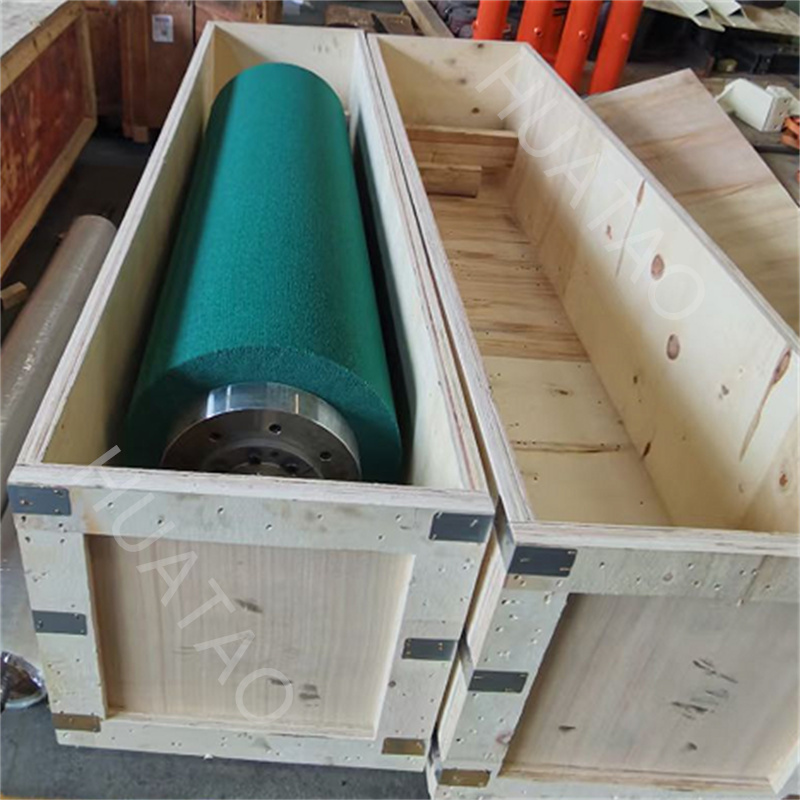
For applications requiring a particularly smooth and uniform final surface, a specialized Super Finish Roller equipped with non-woven abrasive material can also be considered.
Unlike conventional abrasive belts, the non-woven abrasive structure provides a more flexible contact surface. Its distributed abrasive fibers adapt to minor surface irregularities and help refine the panel texture without aggressive material removal.
Depending on the sanding machine configuration and production conditions, this finishing method may achieve a surface effect comparable to approximately 180–240 grit sanding.
In one customer-reported application, the Super Finish Roller offered the potential to reduce electricity consumption for the corresponding fine-finishing operation by up to 80% compared with conventional fine sanding.
Actual finishing results and energy savings depend on roller specifications, machine settings, contact pressure, panel material, and production speed. These figures should therefore be evaluated under the customer's actual operating conditions.
Looking for a reliable replacement Polishing Roller for your wide belt sanding machine?
HUATAO provides customized polishing rollers designed according to your machine specifications and actual operating conditions.
To help us evaluate your requirements, please provide:
If the original drawings are unavailable, you can also send us photos of the existing roller and machine nameplate. Our technical team can review the available information and help identify a suitable replacement solution.
Contact HUATAO today to discuss your Polishing Roller requirements and improve the reliability of your sanding process.
Contact HUATAO for a Quotation
In addition to Polishing Rollers, HUATAO supplies a comprehensive range of spare parts for wide belt sanding machines used in MDF, HDF, particleboard, OSB, plywood, and solid wood processing lines.
Our product range includes:
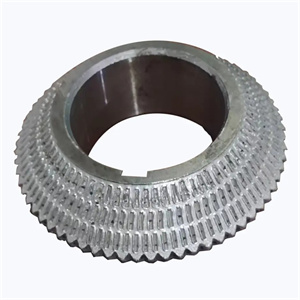
Contact Rollers - Work with abrasive belts to provide controlled sanding pressure and consistent material removal.
Sanding Belts - Main abrasive components for panel thickness calibration and surface finishing
Slide Pads - Provide support in pressure sanding units.
Universal Joints - Transmit torque between connected shafts and accommodate angular misalignment.
Bearing Seats - Support bearings and rotating shafts in sanding machine assemblies.
Swinging Cylinders - Control pneumatic movements in specific sanding machine mechanisms.
Reducers - Transmission components for sanding equipment.
Vibration Absorbing Rubber Couplings - Help absorb vibration in mechanical transmission systems.
From sanding and finishing components to mechanical transmission parts, HUATAO provides replacement solutions to support the stable operation and maintenance of your sanding equipment.
Explore our full range of Sanding Machine Spare Parts.
can not be empty
The E-mail format is not correct
can not be empty


HUATAO Wood-based Panel Machinery Co., Ltd
ADD : No.298 Zhonghua North Street, Shijiazhuang 050000 China.
TEL : +86 0311 80690567
EMAIL :bella@huataogroup.com
Web: www.woodpanelmachinery.com
 WhatsApp & WeChat : +86 17731169773